|
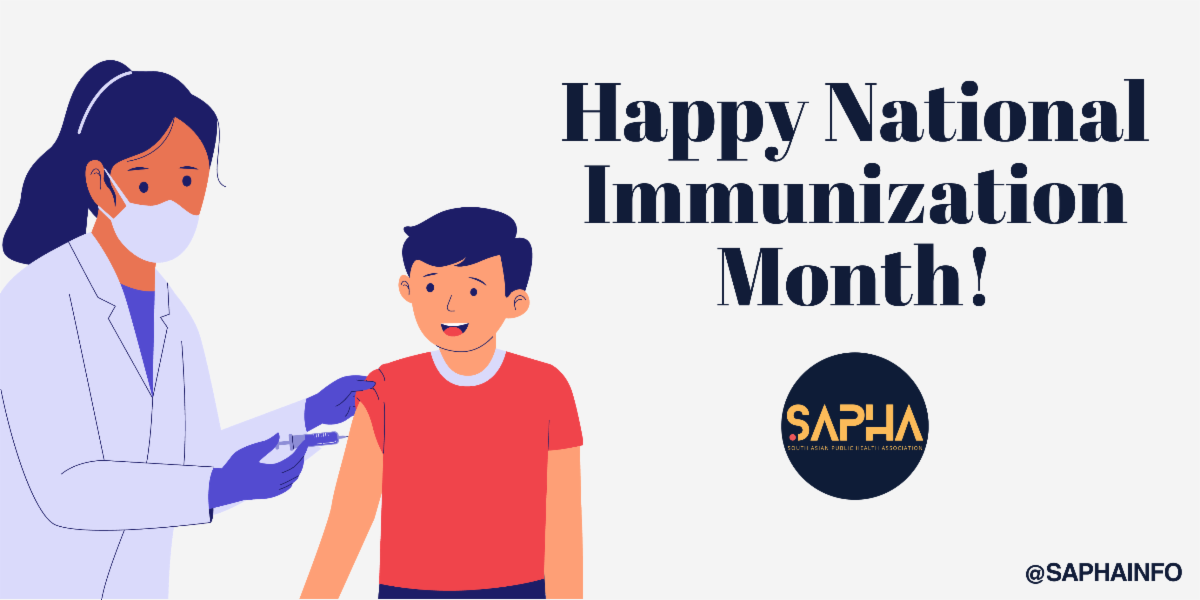
National Immunization Awareness Month (NIAM) offers a critical strategic window to improve long-term health outcomes for our South Asian community. Vaccination is our most powerful tool to reduce viral infection and disease severity. By striving for herd immunity, we establish a collective defense that protects our most vulnerable members and reduces hospitalizations for vaccine preventable illnesses. However, generic health campaigns often fail to effectively reach the South Asian community. To achieve health equity, we must move beyond a "one-size-fits-all" approach and evaluate the unique biological and systemic barriers that disproportionately impact our population.
Vaccine hesitancy in our communities is rooted in a history of medical mistrust and modern discrimination. During the COVID-19 pandemic, the "scapegoating" of South Asians, exacerbated by harmful media labels like the "Indian variant,” deeply eroded trust in the government and its health resources. Furthermore, sociological factors including multi-generational living made isolation difficult, while language barriers, inaccessibility to clinics, and misaligned vaccine information furthered uncertainty in the community.
These are structural obstacles that require us to meet our community with humility and targeted support, and SAPHA is dedicated to equipping healthcare providers and community members with culturally relevant, evidence-based resources to dismantle these barriers.
|
|
|
Protect Yourself & Loved Ones this Summer
Debunking the Melanin Myth
|
|
|
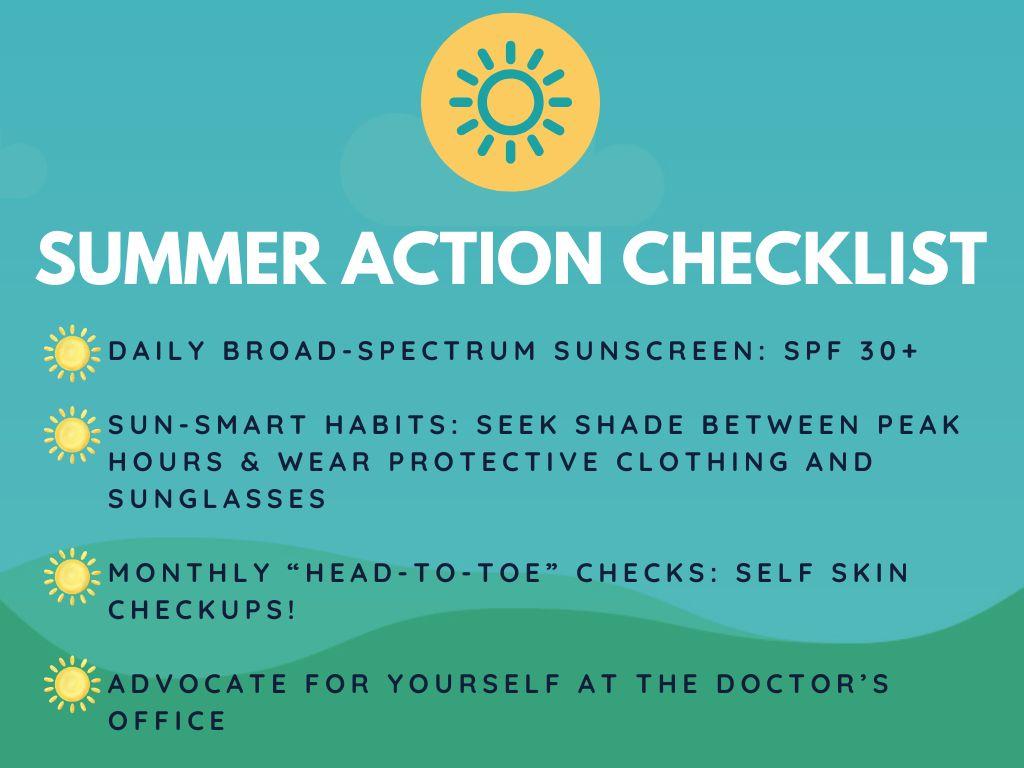
As summer heats up, sun protection continues to be a top priority. A common myth among South Asians is that melanin-rich skin offers complete protection from the sun.
While darker skin tones (typically Fitzpatrick phototypes IV-VI) contain higher baseline melanin that provides natural photo protection equivalent to roughly SPF 2 to 4, this is not a total shield. UV radiation still damages skin cells, accelerates photoaging, and worsens conditions common in our community, such as post-inflammatory hyperpigmentation (PIH) and melasma.
The Disparity: Lower Incidence, More Dangerous Outcomes
It is an essential point to share the diagnosis disparity:
-
Late-Stage Detection: While Asian Americans develop skin cancer at lower overall rates than non-Hispanic White populations, diagnoses often happen at significantly more advanced and severe stages.
-
Low Awareness: Because skin cancer is rarely discussed in South Asian households, self-examinations are infrequent, and early warning signs are often overlooked.
Where to Look: Atypical Signs & Hidden Sites
Knowing what to look for beyond typical sunburns:
-
Acral Lentiginous Melanoma (ALM): This specific type of melanoma disproportionately affects people of color and is not primarily linked to UV exposure. It commonly appears in unexpected, non-sun-exposed areas:
- Palms of the hands and soles of the feet
- Under/around toenails and fingernails (dark, vertical bands/pigment streaks)
- Between toes and on mucous membranes
-
Pigmented Growths: Basal and squamous cell carcinomas in darker skin often present as brownish-black, pearlescent, or ulcerated spots rather than classic bright red patches.
|
|
|
APIAHF Policy Accelerator Lab Recap
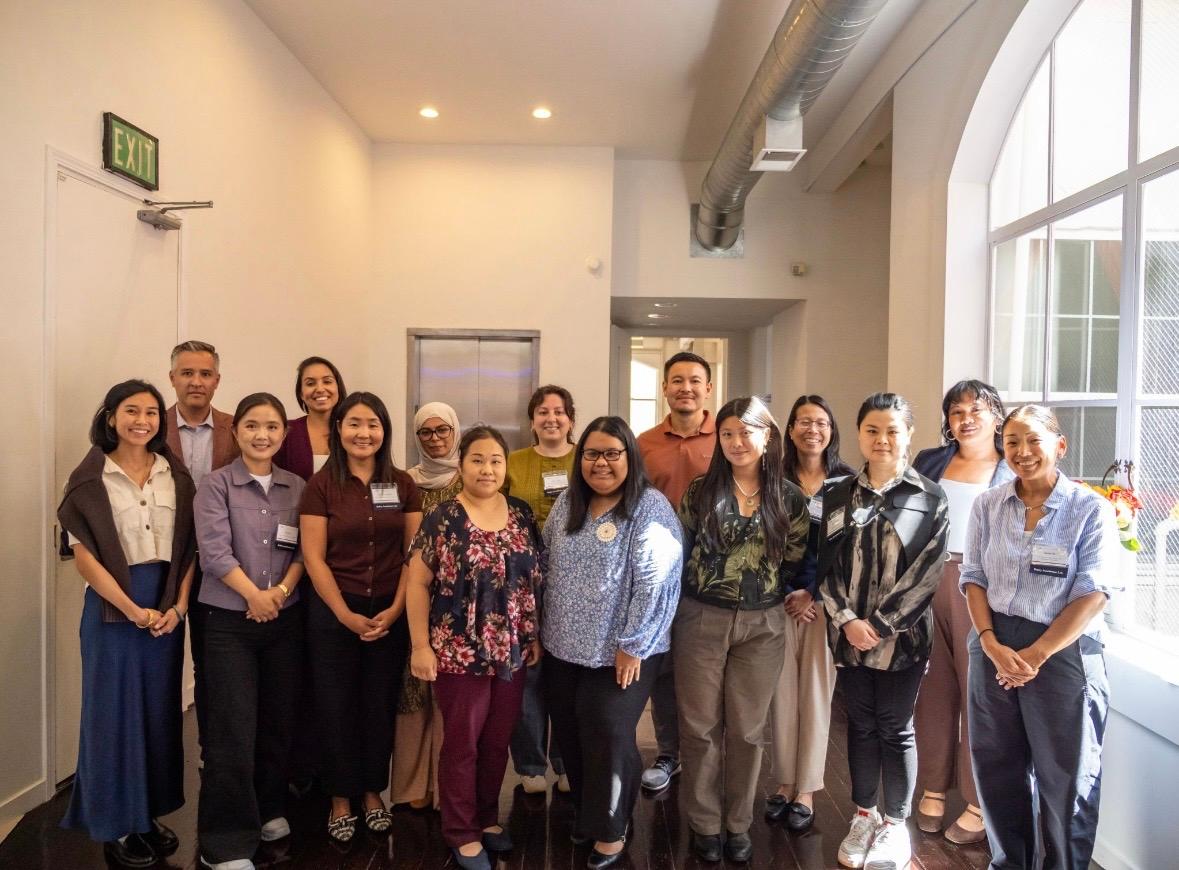
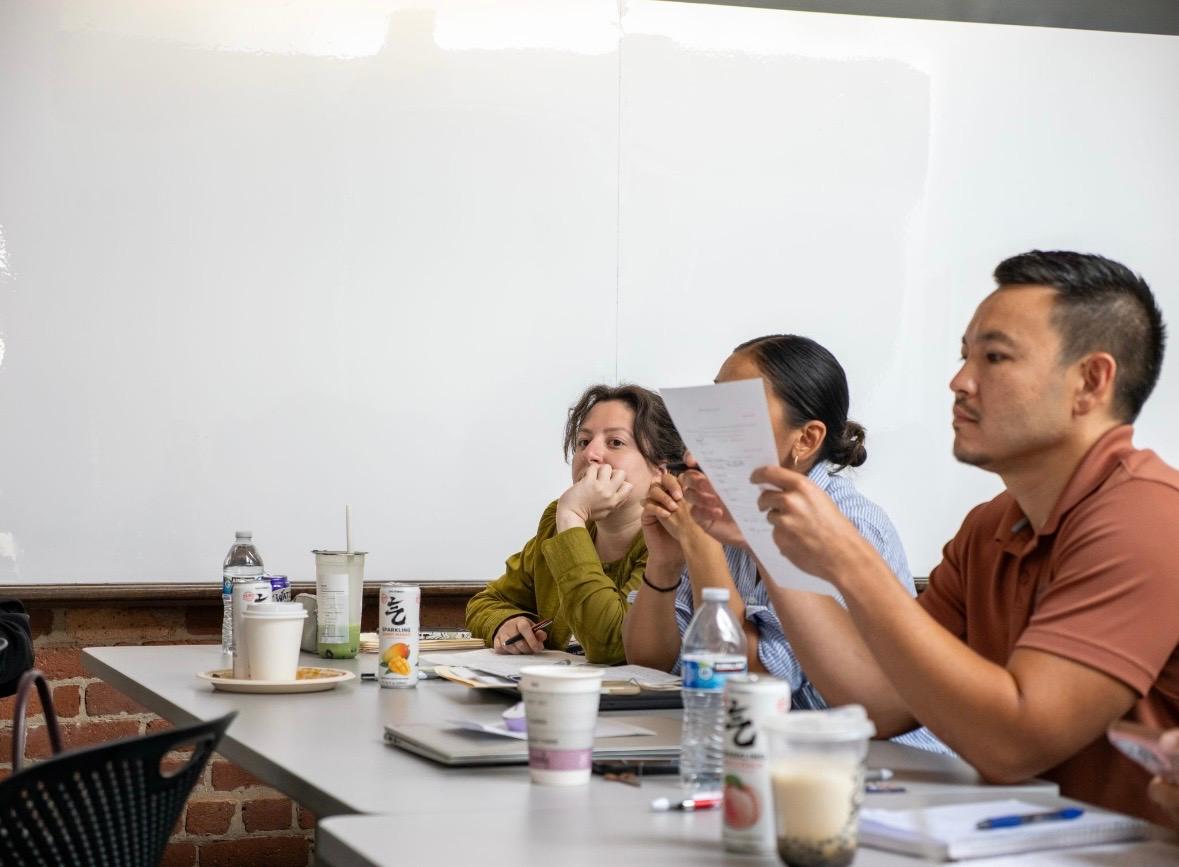
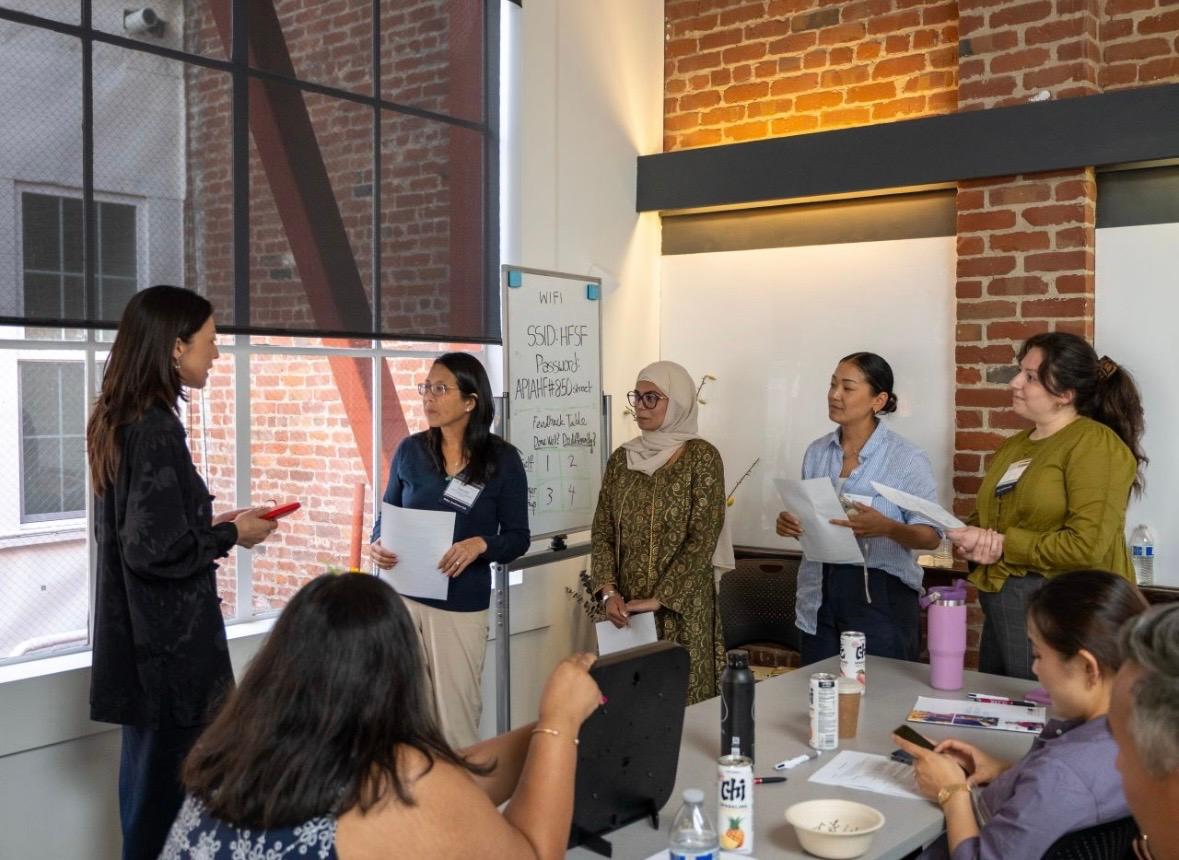
SAPHA’s Advocacy Co-Chair, Nawal Umar, was accepted into APIAHF’s 2026-2027 Policy Accelerator Lab cohort and attended their first in-person convening in San Francisco this past July. At the convening, Nawal connected with leaders from AANHPI-serving organizations across the country.
Over the next year, Nawal will strengthen her advocacy, organizing, and policy leadership skills while developing a community-led advocacy campaign. The fellowship will support SAPHA’s mission by expanding our capacity to advance health equity and advocate for policies that improve the health and well-being of South Asian communities.
Special thanks to our partners at APIAHF for providing Nawal with this opportunity, to President Samira Khan for introducing Nawal to the opportunity, and to the SAPHA board for its support!
|
|
|
It’s time for August Recess: Supporting the HEAL Act is Critical!
As August Recess continues and members of Congress spend time in their respective districts, our partners at NAPAWF have created this helpful toolkit to guide community partners in uplifting the Health Equity and Access under the Law for Immigrant Families (HEAL) Act. SAPHA has previously endorsed this legislation as it would eliminate barriers to insurance coverage for immigrant families through Medicaid, Medicare, CHIP, and the ACA marketplace, including for South Asian immigrant families.
To support the HEAL Act passage, please attend your local town hall, in-district meetings, and take any and all opportunities to engage with your state representatives as they take the time to meet with their constituents to discuss community issues.
As millions of Americans stand at risk of funding cuts to healthcare coverage, it is important that we continue to advocate for increased protections for vulnerable populations.
|
|
|
Latest Executive Order to Separate the MMR Vaccine
Earlier this month, an Executive Order to split the childhood MMR vaccine was signed. This change to the childhood vaccine schedule could make it more expensive and time-consuming to obtain the MMR vaccine, leaving parents and providers with more questions. President Trump and HHS Secretary, Robert F. Kennedy Jr., pushed this executive order through to effectively decrease the amount of routine childhood vaccines and rework the immunization schedule for children in the US. Public health officials warn that this order is a threat to trust in the healthcare system, and to building immunity in children for vaccine-preventable diseases, many of which are already on the rise nationally.
CDC vaccine experts still recommend the combined dose and there are no separate vaccines for measles, mumps, and rubella available. Additionally, there is no scientific evidence to support separating doses, nor is there evidence linking vaccines to autism.
|
|
Events, Opportunities & Resources
|
|
|
JiVA Perinatal Mental Health Training Scholarship
In partnership with Postpartum Support International, JiVA offers scholarships to train South Asian clinicians, fathers, and family members in certified perinatal mental health care. Applications are now open and you must identify as South Asian to apply.
|
|
|
Join Desi Rainbow on Thursday, September 17th to hear from activists and experts about the mental health and suicide risks for LGBTQ+ South Asians and to explore what families and community members can do to help reduce these risks. Desi Rainbow is a national nonprofit organization with the mission of building an intergenerational Desi Diaspora community that values, affirms and celebrates all LGBTQIA+ identities.
|
|
As this year marks the 25th anniversary of 9/11, the backlash after, and the Global War on Terror, generations of people born before, during, and after the attacks are reckoning with this history. At the 25 Years Later hub, the South Asian Coalition has gathered resources to help folks understand the history and how it connects to today.
|
Surveys & Voluntary Study Participation
|
|
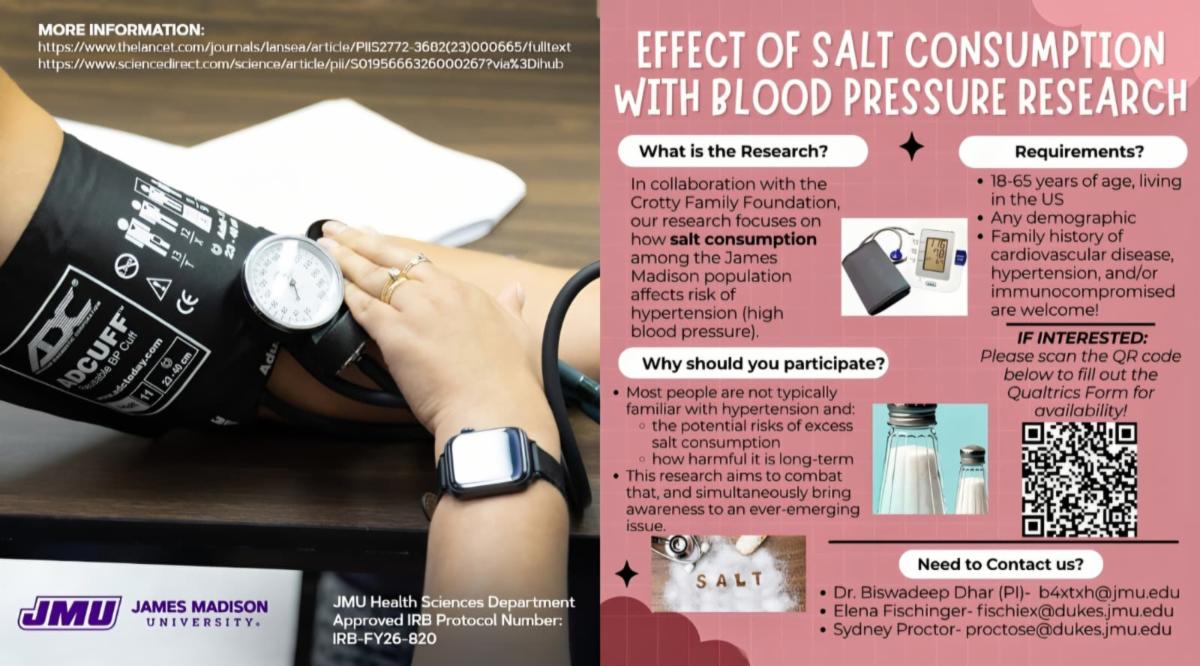
Biswadeep Dhar, PhD, M.Ed., MS, Assistant Professor at James Madison University, is conducting a study about hypertension risk. "Your daily salt intake could be affecting more than just your taste buds" ~ JMU researchers are looking for participants (ages 18–65) to help study the relationship between salt consumption and high blood pressure. Follow this link to fill out the availability form.
|
|
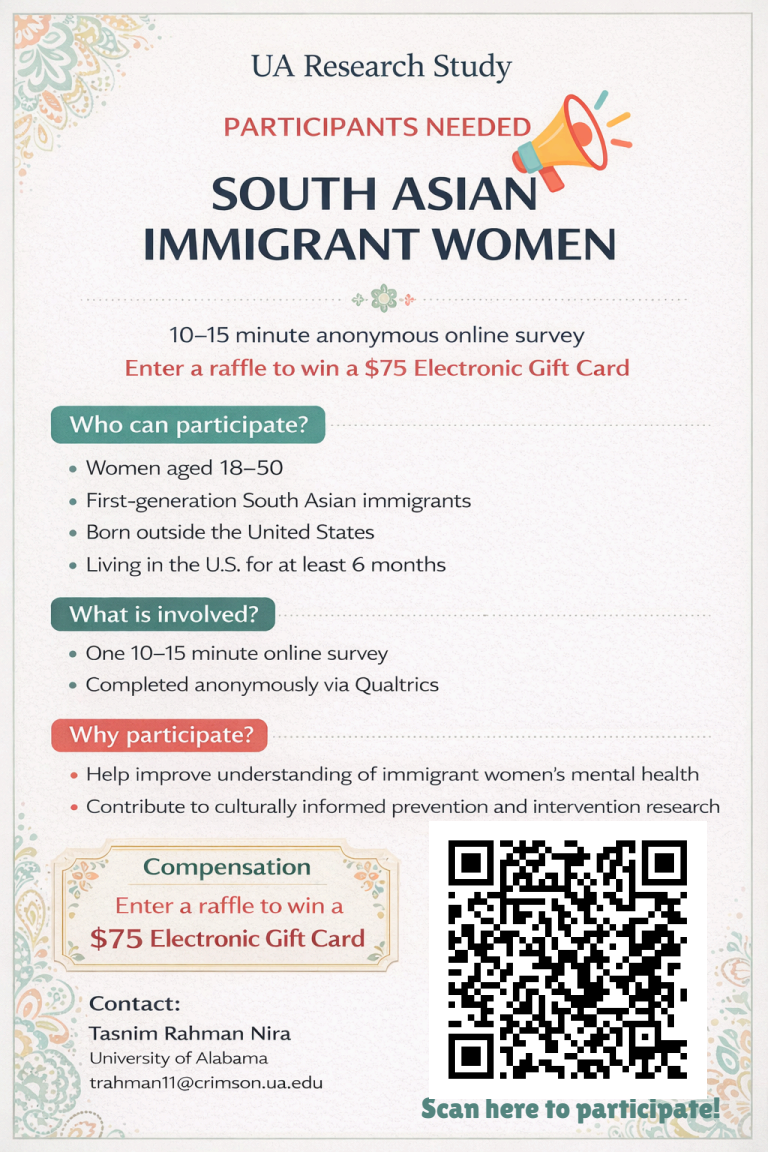
Tasnim Rahman, doctoral student in the Department of Psychology at the University of Alabama, is researching body image, eating behaviors, and acculturative experiences among first-generation South Asian immigrant women living in the United States. Fill out the survey here.
|
|
|
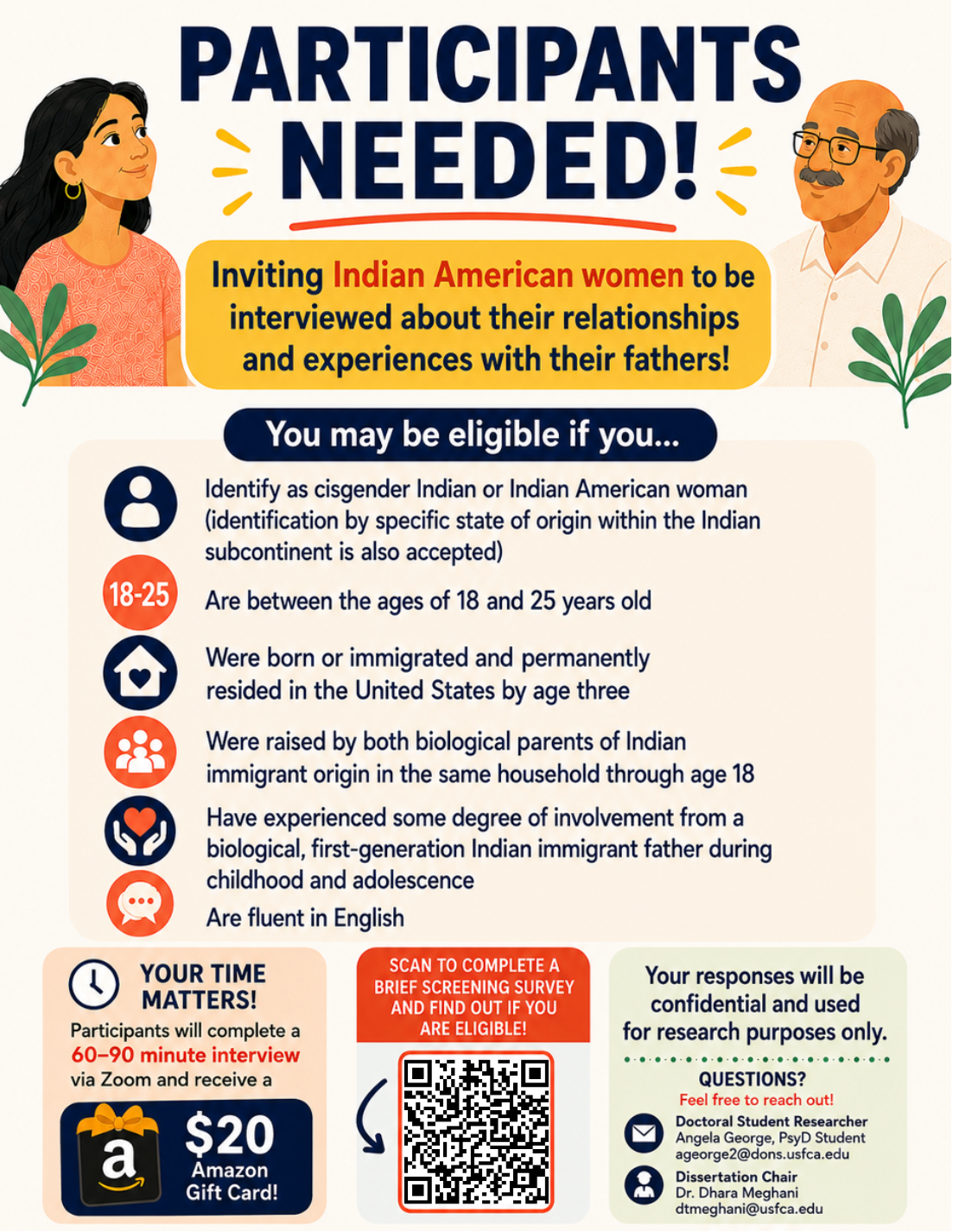
Angela George, doctoral student in the Clinical Psychology Psy.D. Program at the University of San Francisco, is recruiting participants for a study aimed to explore how cisgender Indian and/or Indian American women make meaning of their lived experiences of their father’s involvement and their experiences with emotional expression and coping in adulthood. Participation involves completing a brief demographic questionnaire online and participating in a 60–90-minute virtual interview with me via Zoom.
|
|
|
Empowering Our Community: Launching Our Fall 2026 Healthy Aging Webinar Series
|
|
|
Healthy aging, early detection, and compassionate care shouldn't be luxury conversations—they are vital public health priorities. Yet, within South Asian communities, navigating cognitive decline and finding culturally sensitive care resources remains a significant challenge. This Fall 2026, we are proud to launch a powerful Webinar Series dedicated to bridging these gaps, equipping caregivers, and fostering open, actionable dialogue.
Through this series, we aim to:
- Raise awareness around brain health and the early signs of cognitive decline.
- Promote healthy aging practices rooted in prevention and lifestyle adjustments.
- Support caregivers as they navigate complex cultural and health systems.
- Address critical gaps in culturally responsive health education for South Asians.
- Foster meaningful dialogue between public health professionals and communities.
How You Can Make an Impact Today:
To keep this series free and accessible to community members, families, and caregivers who need it most, we rely on the generosity of supporters like you. Your donation directly funds expert speaker honorariums, language translation, educational resources, and outreach efforts to ensure no one in our community has to navigate brain health alone.
Every contribution brings culturally responsive care closer to home.
✅ Donate to expand South Asian public health today
|
|
|
Know someone who might enjoy these newsletters?
Ask them to sign up for our email list here.
|
|
|
Follow us on social media for tips, resources, and community health updates
|
|
|
|
|